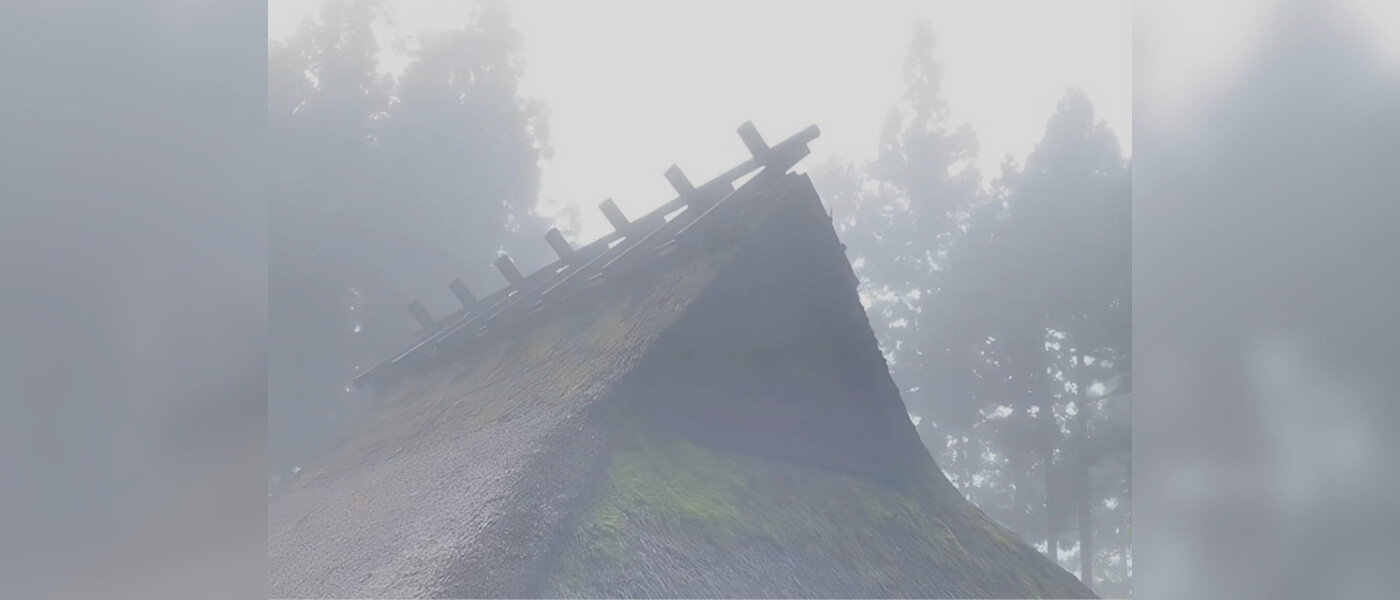
Ise Shrine: A Thirteen-Century Tradition
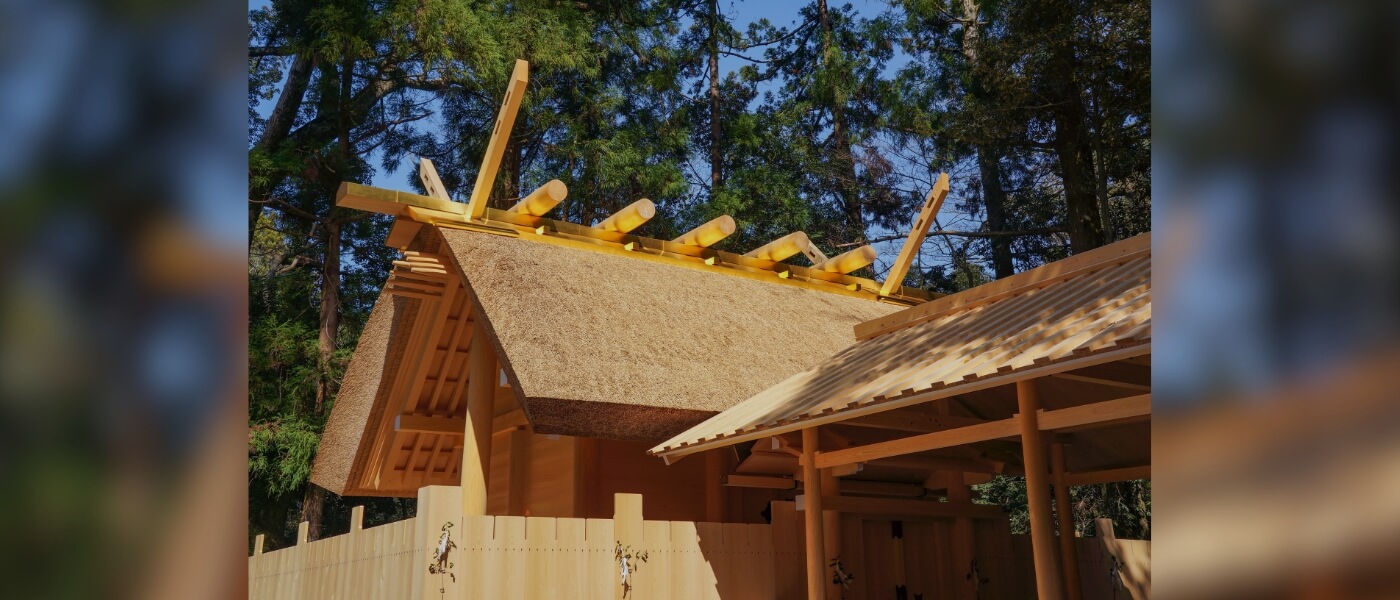
Ise Grand Shrine, Mie Prefecture
This chapter introduces Ise Shrine, one of the most important sacred sites in Japan, where the tradition of rebuilding thatched structures every twenty years has continued for more than thirteen centuries.
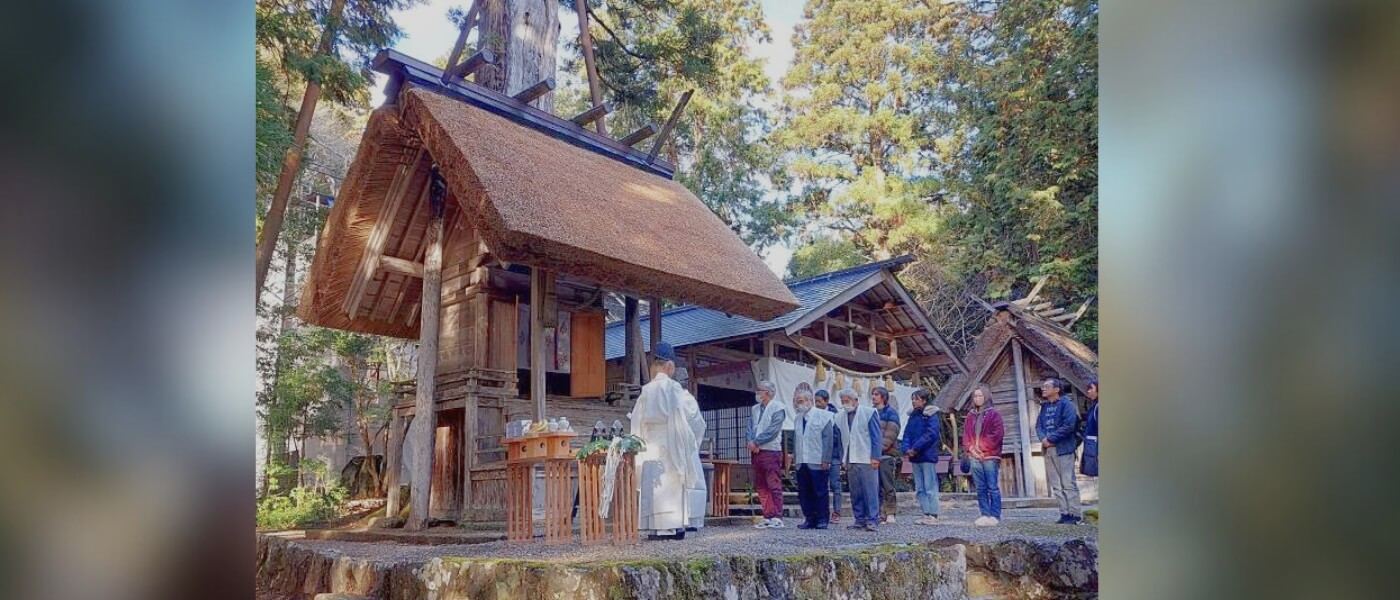
Moto-Ise Naiku Kotai Jinja Shrine, Kyoto Prefecture
It is said that the Ise Grand Shrine was originally located at this site.
The Tradition of Shikinen Sengu
Ise Shrine carries out a ritual known as Shikinen Sengu, in which the shrine buildings are completely rebuilt every twenty years.
This ceremony has been performed 62 times, preserving the thatched form of the shrine for more than 1,330 years.
Modern people often try to construct permanent buildings using stone, steel, or concrete. However, these materials are ultimately finite.
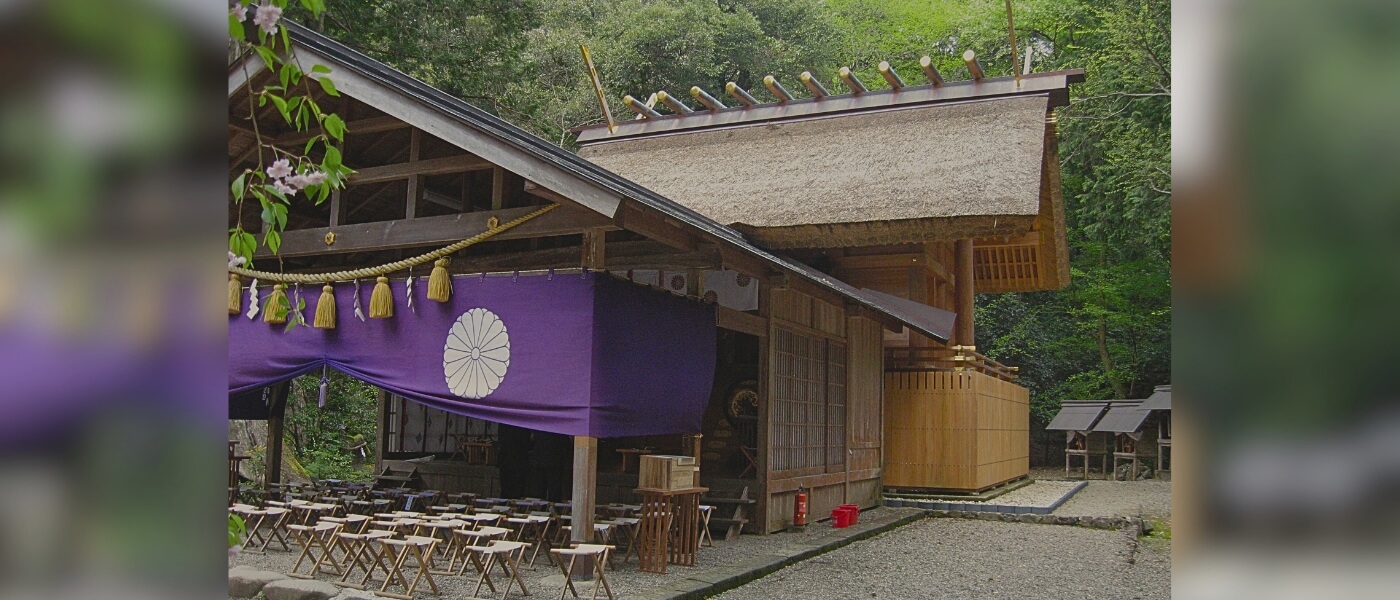
Moto-Ise Naiku Kotai Jinja Shrine, Kyoto Prefecture
The Idea of Eternity Through Renewal
If there is sunlight, soil, wind, and water, thatch and timber can be produced again every year.
Even if these natural materials decay, they can be replaced with newly grown materials, allowing the cycle to continue.
Within this cycle lies the possibility of true continuity and eternity.
Roof Completion Ritual
When the roof is completed, we notify the spirits and invite them, and drive away evil things. To become a master thatcher, it is not enough to simply improve technically. Because we are doing sacred work, we are always subject to interference from evil things. Even among the people I know, three have suffered injuries that left lasting effects, such as paralysis of the lower body. A master thatcher is also required to have the strong power to protect the staff working there, invite pure spirits into the house, and bring it into harmony with the surrounding nature. As for myself, when I work on thatching a roof, I do so with the image that by thatching the roof I am erecting a pure pillar of light that pierces through the universe.
When there were hundreds of thousands of thatched roofs across Japan, countless pillars of light must have connected the earth and the heavens. From above, the land might have looked like a giant mirror ball.