Project Info
Project Description
One day, I received a consultation from the owner of this house.
The next generation had already moved to the city, and there was no one left who could continue maintaining the home. The owner told me honestly that keeping this house alive was no longer possible.
When I first saw the house, I immediately felt that it was more than just an old building. It carried the history of life in Miyama itself.
That was the moment we decided to take over this house and carry its story into the future.
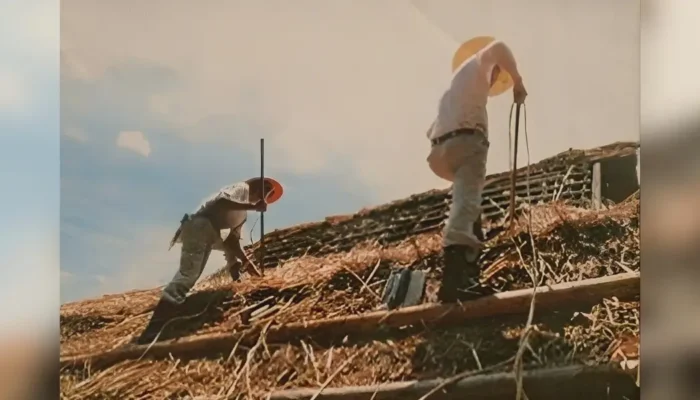
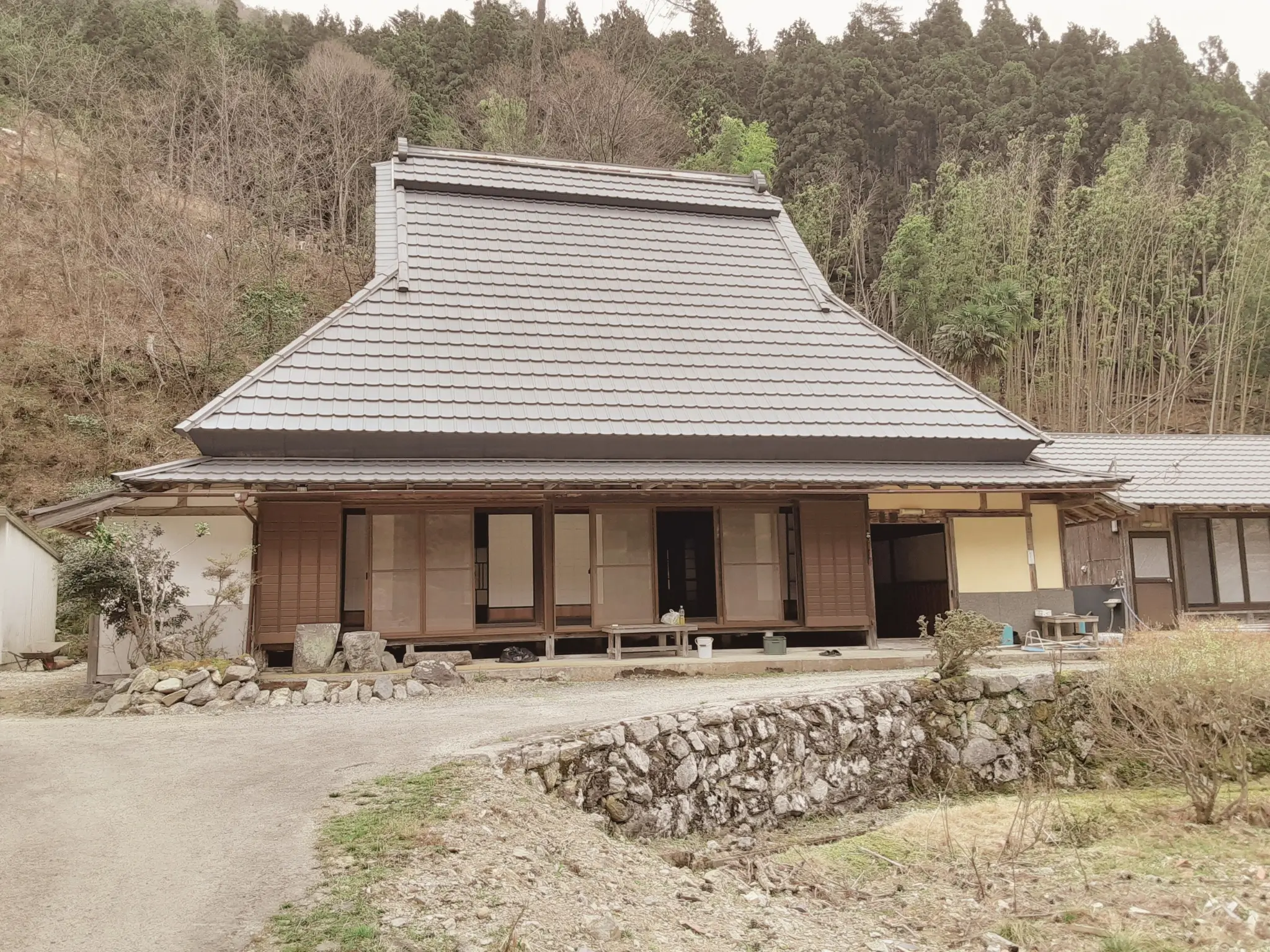
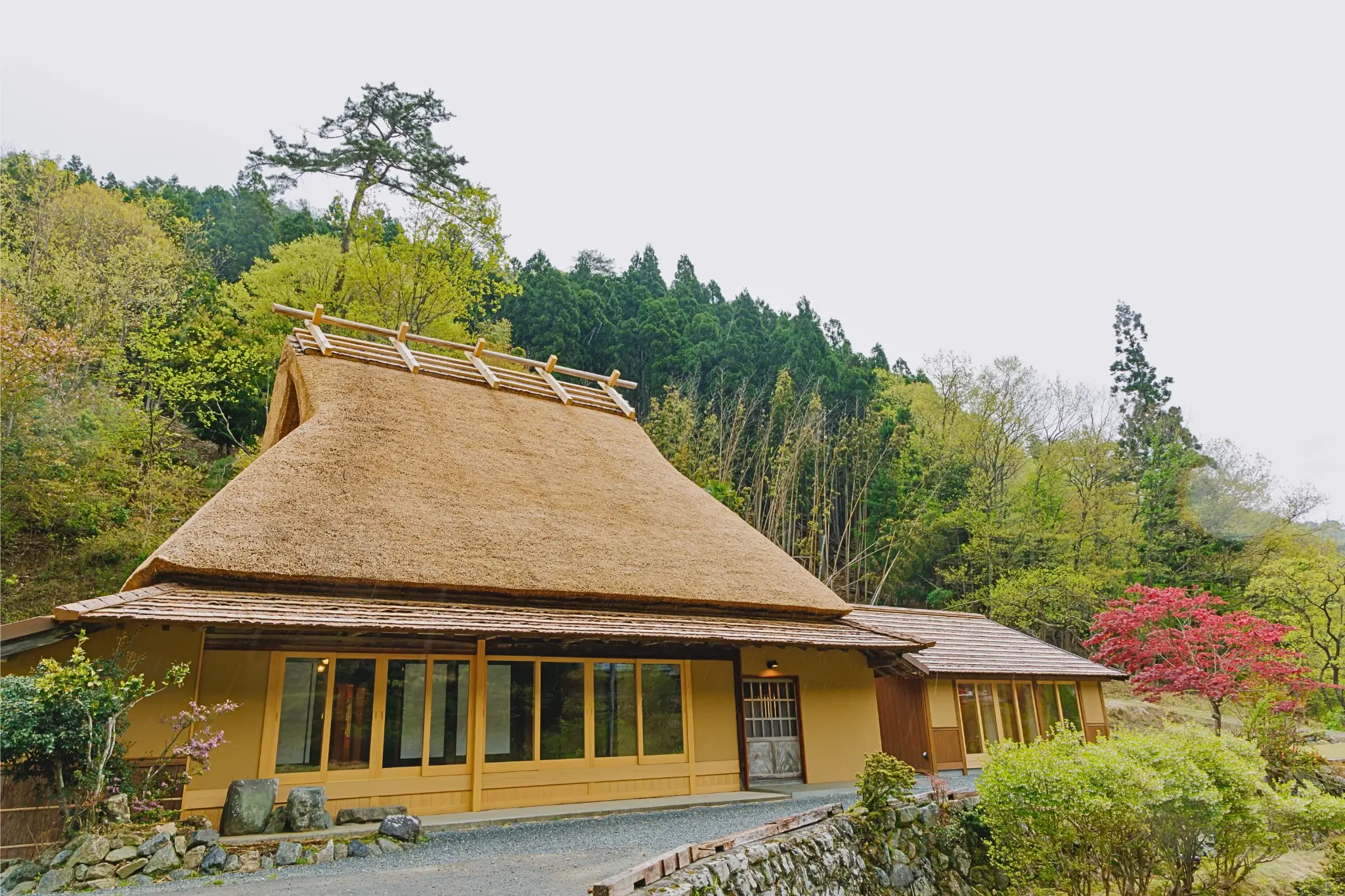
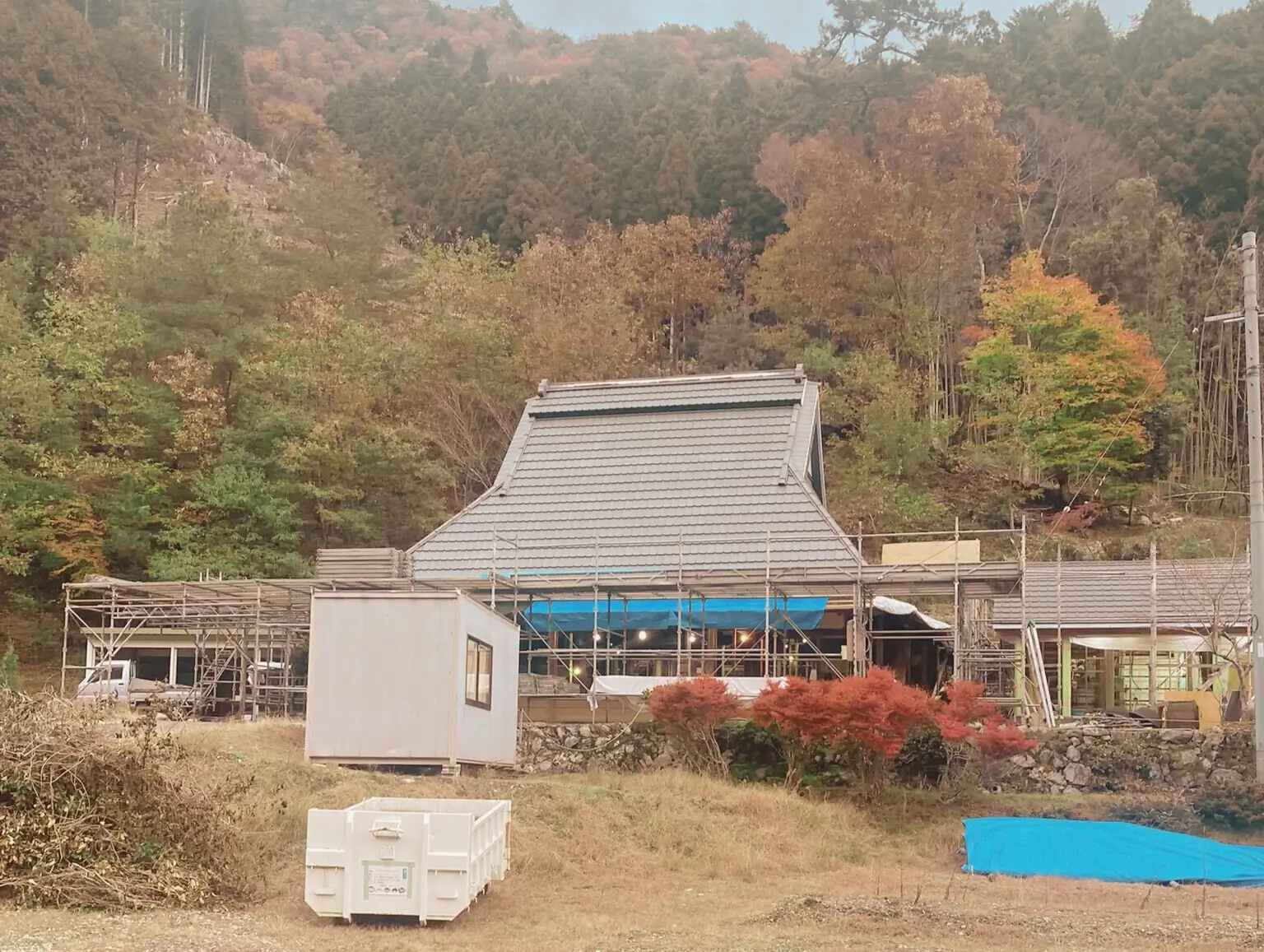
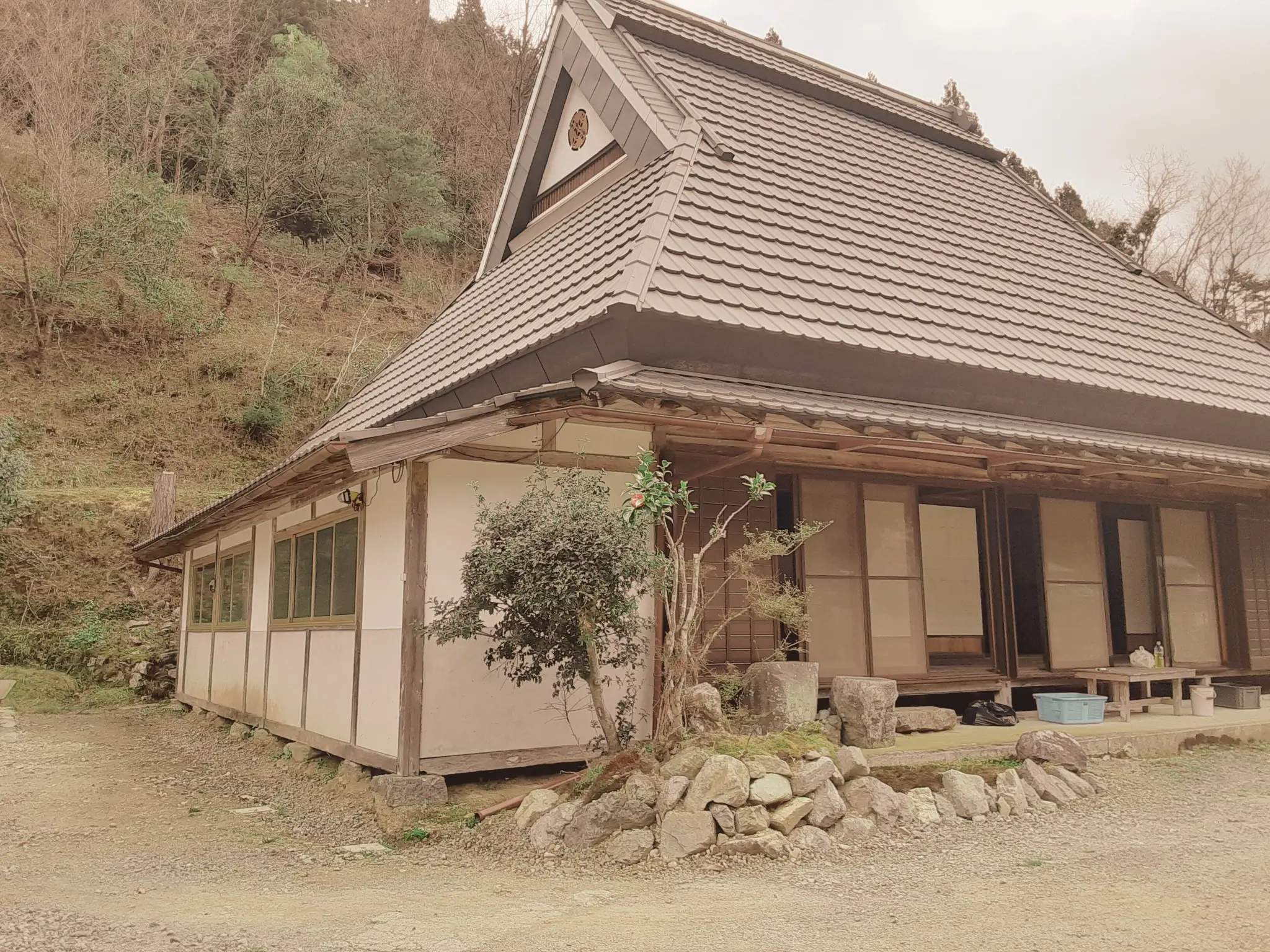
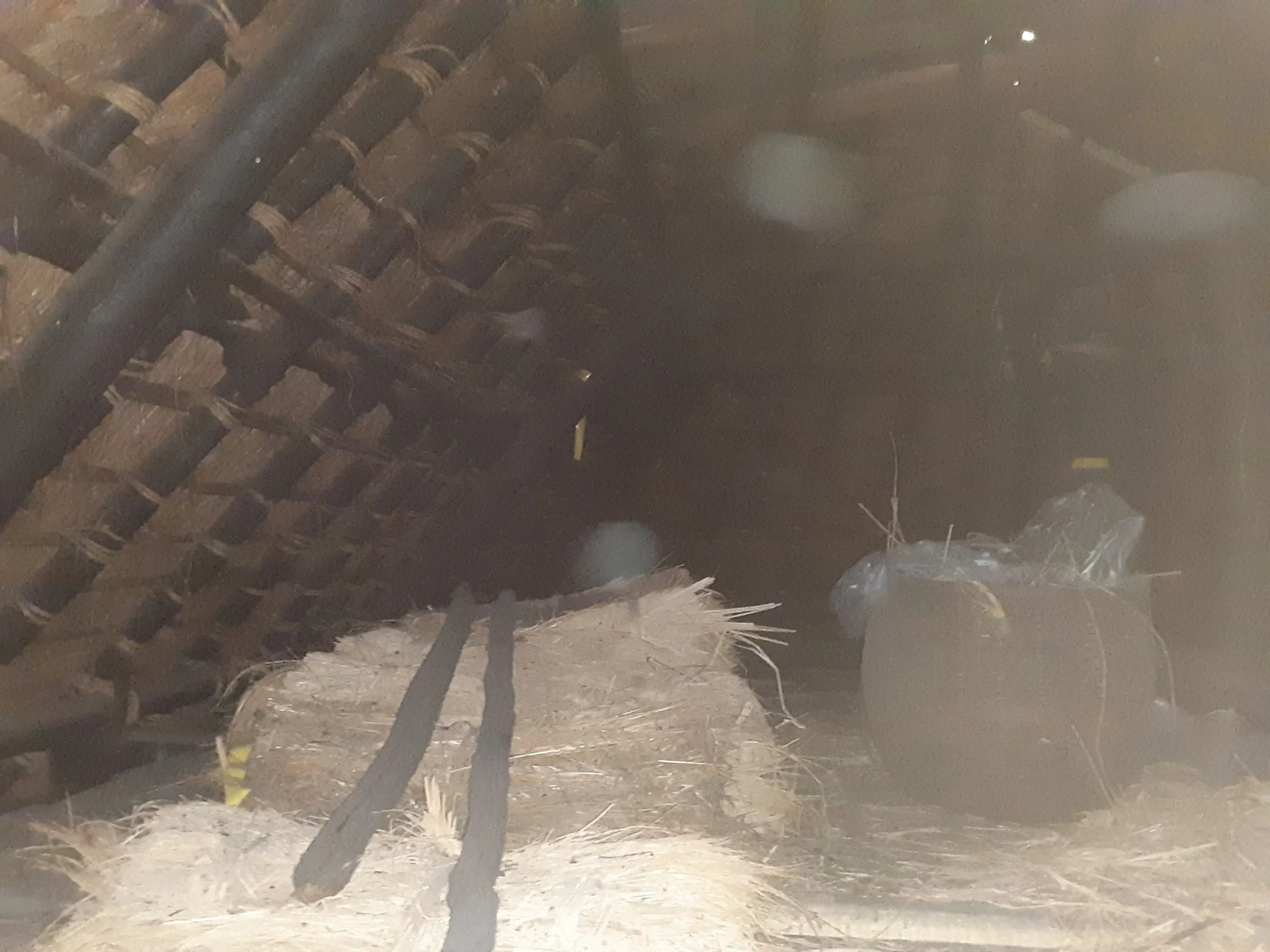
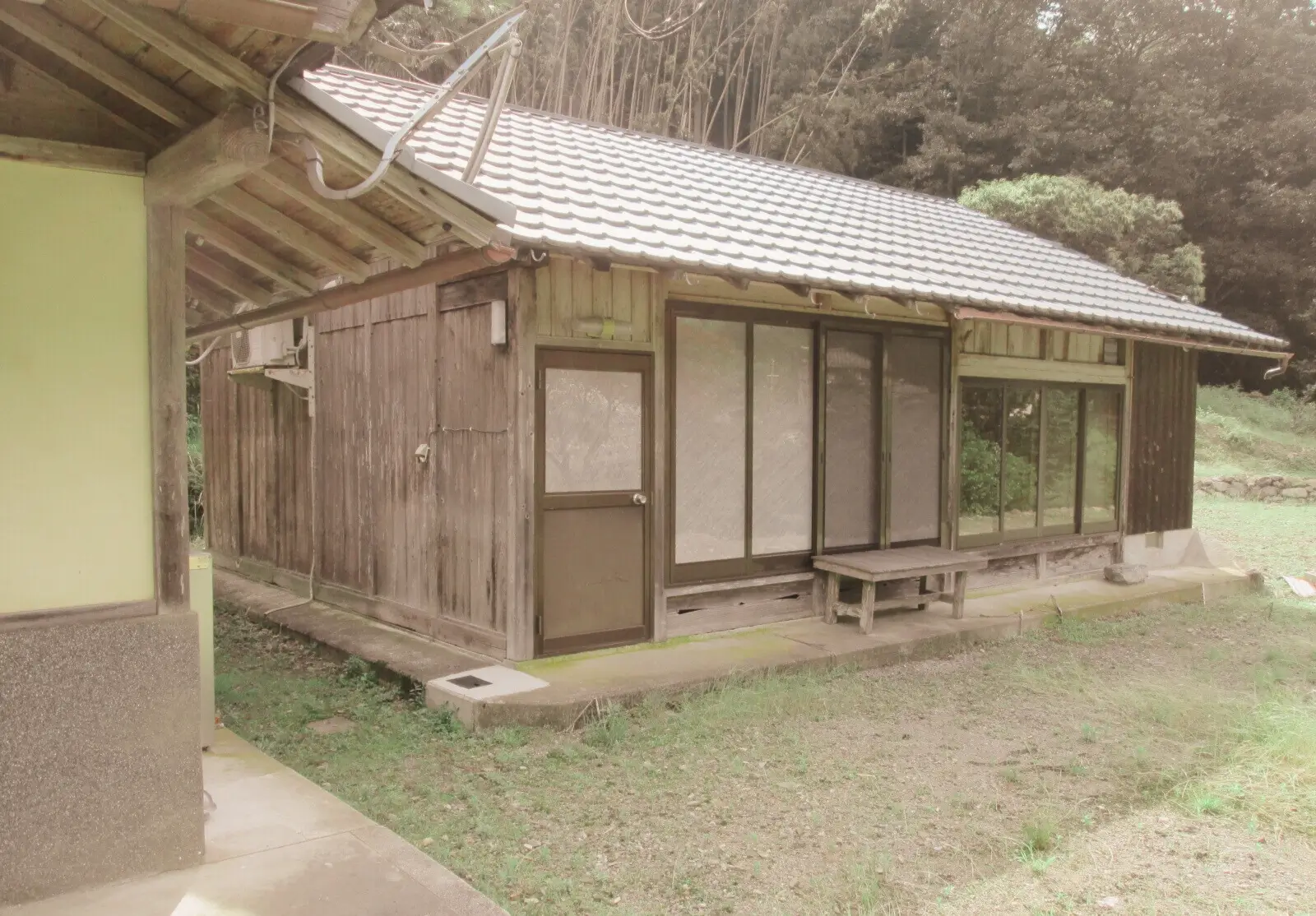
Originally, the roof was a true thatched roof. However, about 30 years ago, it was covered with corrugated metal sheets.
In Miyama, around 500 thatched-roof houses still remain today. But most of them began to be covered with metal sheets around 50 years ago. It was a practical solution to protect the roof from rain and reduce maintenance, and at that time, it was an unavoidable choice.
Yet, when a thatched roof is hidden under metal, the house slowly loses something important—not only its beauty, but also its natural “breathing” and harmony with the landscape.
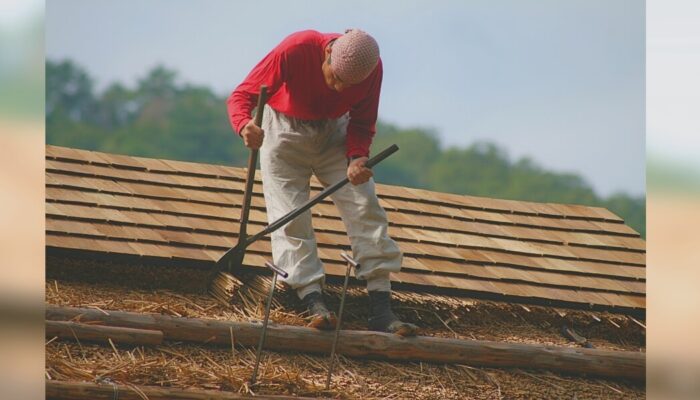
I made a clear decision. This house would be restored as a true thatched-roof house once again.
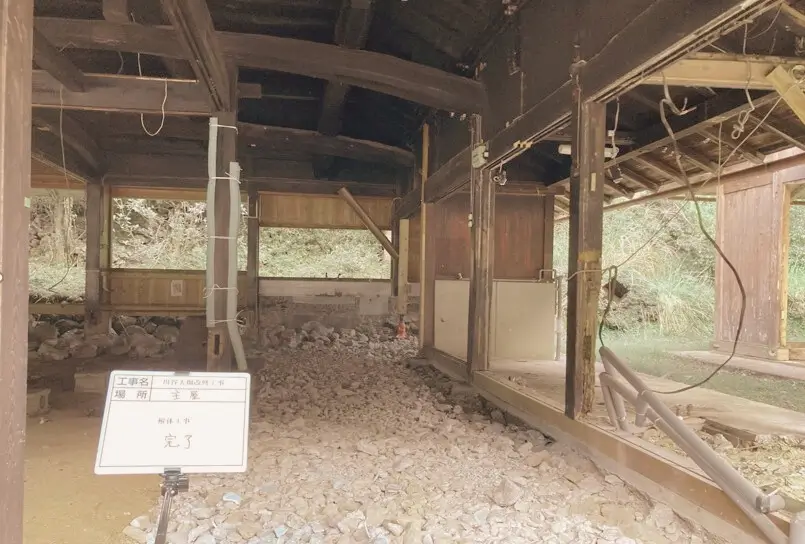
For the renovation, I set a guiding principle: the exterior should be as beautiful as possible, and modern materials such as iron, aluminum, and plastic should be kept out of sight. A thatched farmhouse must blend naturally into the mountains and village scenery. That beauty should never be disturbed.
At the same time, I also had another important goal.
Inside the house, I wanted to create private spaces that suit modern lifestyles.
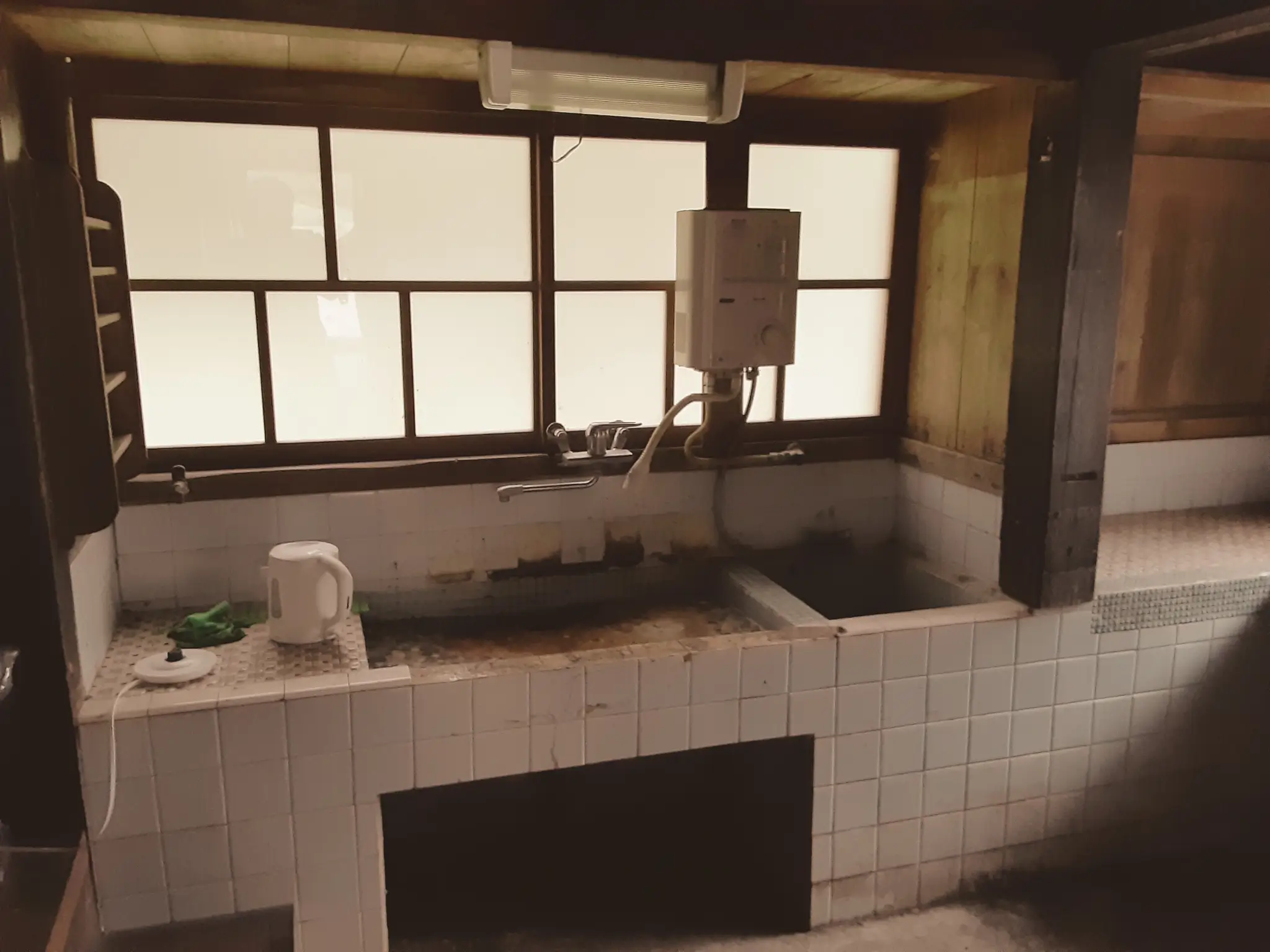
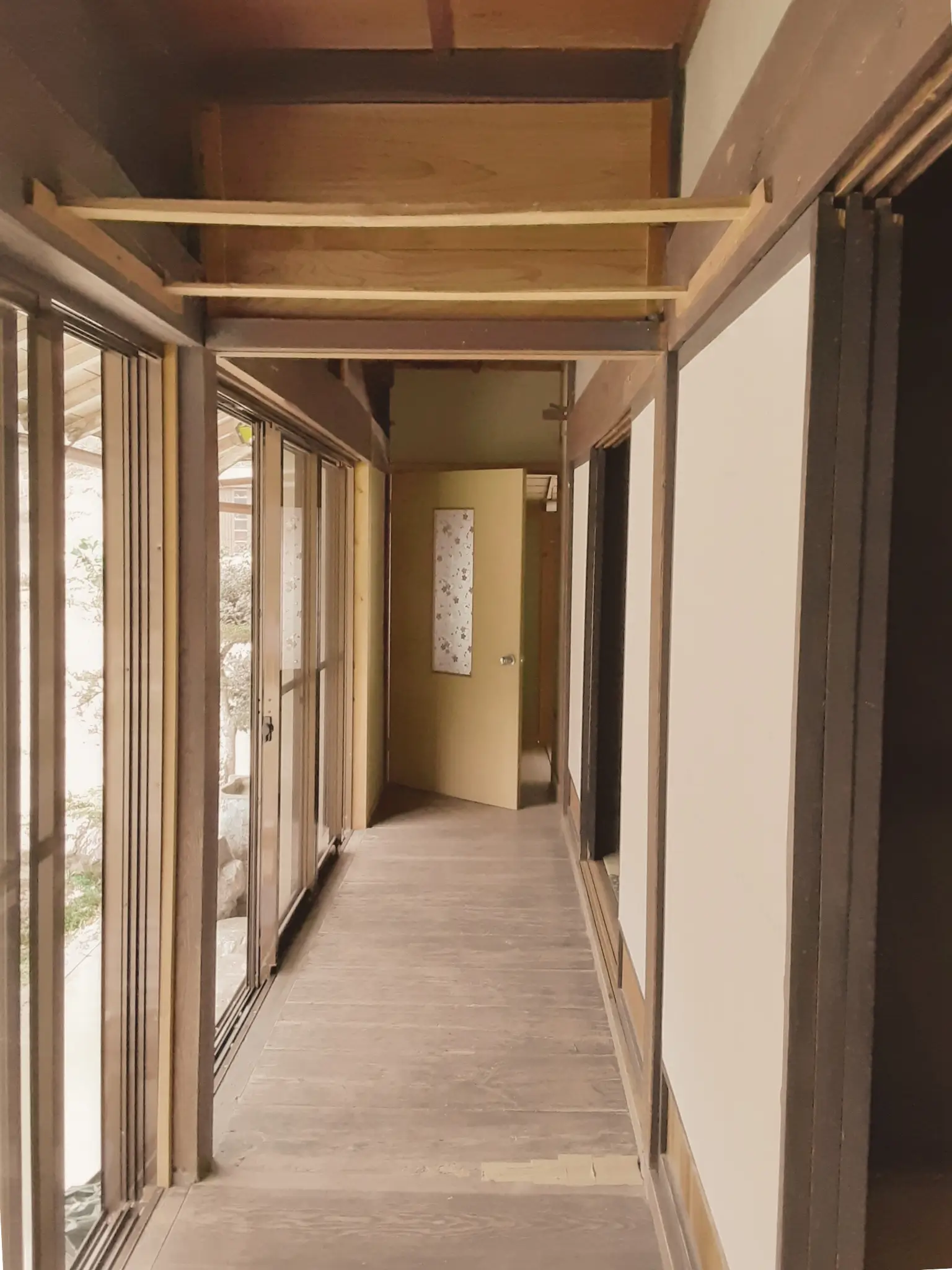
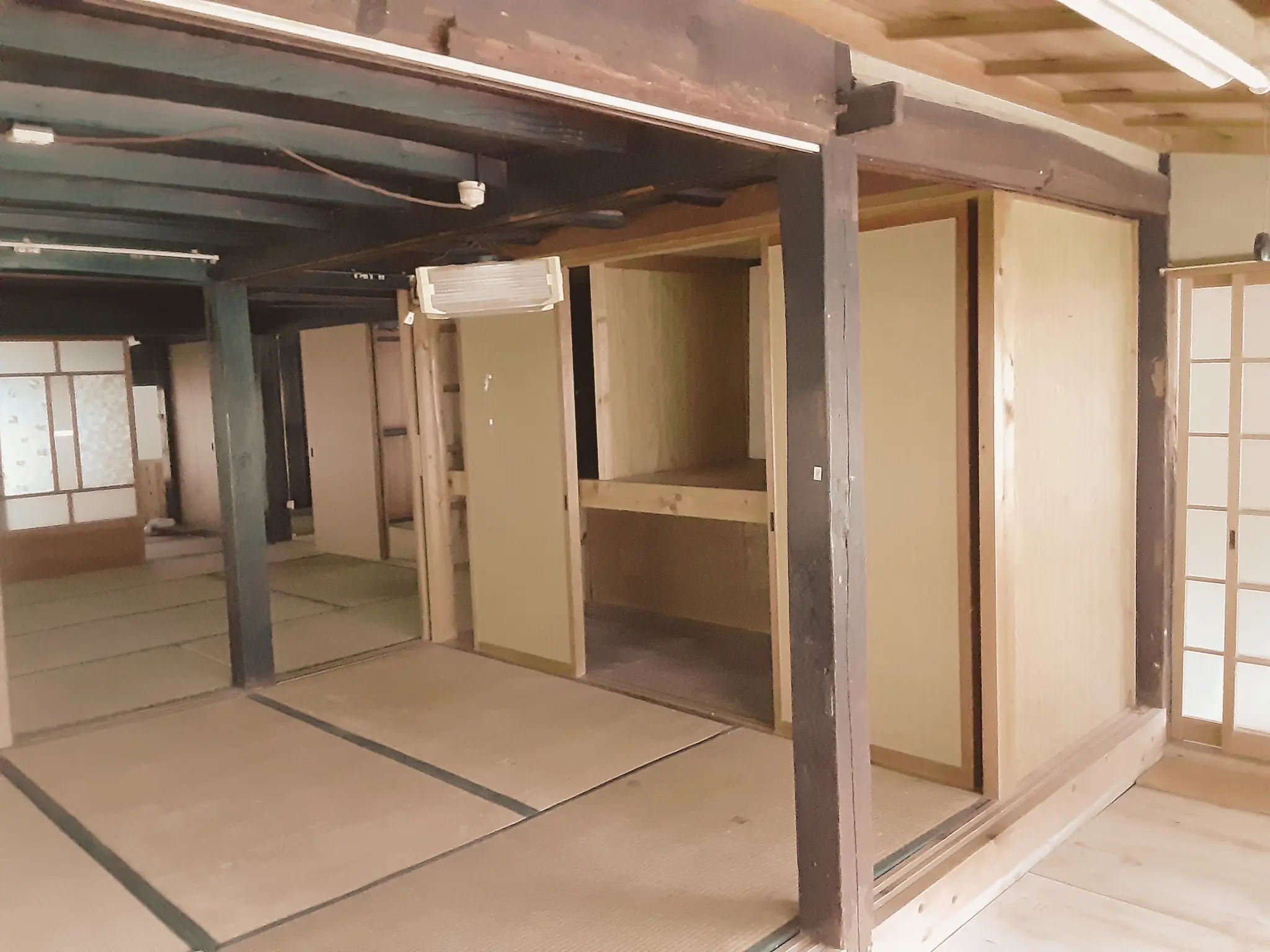
Traditionally, thatched houses in Miyama are divided by sliding doors such as fusuma and wooden panels, creating flexible spaces that can be changed depending on season, family size, or special occasions. Bathrooms, washrooms, and toilets were shared by everyone in the household. And in even older times, these facilities were located outside the house.
In other words, thatched-roof homes were originally built around shared life rather than privacy.
However, for people staying here today, privacy is essential.
Creating modern private rooms requires building more walls and dividing the space. But doing so also creates serious disadvantages: the rooms can become darker, airflow can be reduced, and the traditional openness of the house can be lost.
For this reason, every renovation decision was made with great care.
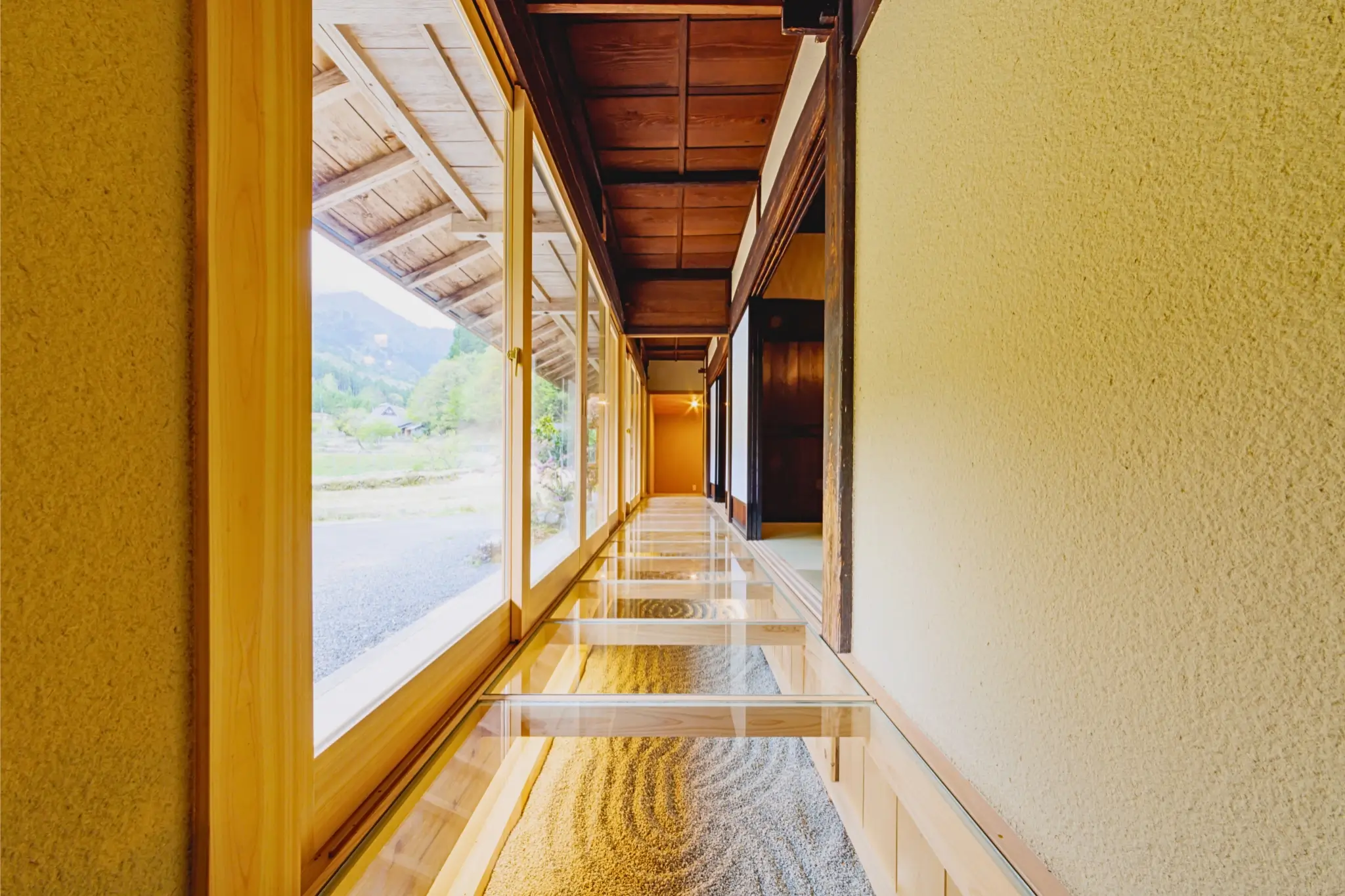
We designed the layout to preserve light, maintain ventilation, and keep the natural atmosphere that makes a thatched farmhouse so special.
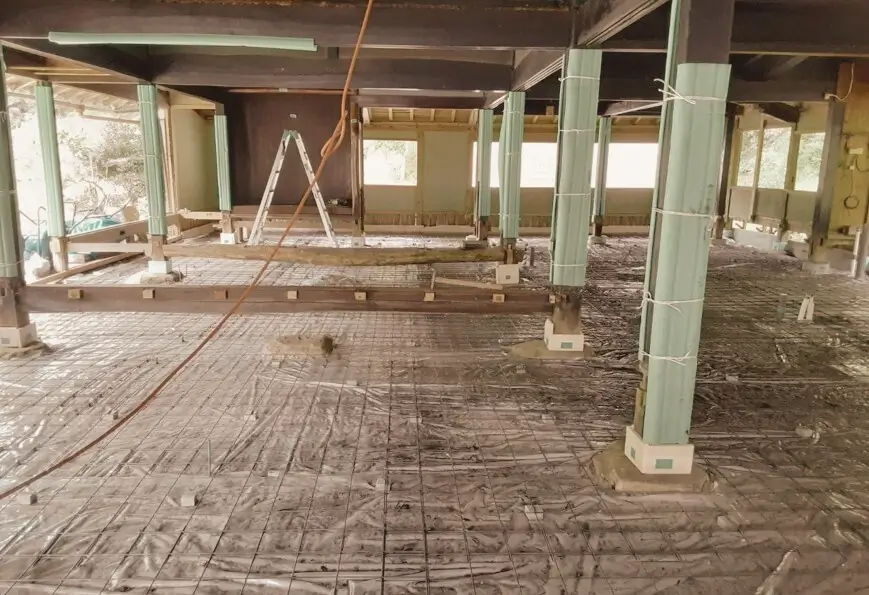
We also installed a thermal storage floor heating system underground. This system gently warms the house from below, creating deep comfort even in winter, while preserving the quiet, natural feeling of the traditional interior.
OBATAKE is not simply an old house turned into accommodation.
It is a step forward—a new attempt for thatched-roof houses to survive in the modern era and continue into the future.
Preserving tradition alone is not enough.
A thatched house must also adapt to modern life in order to remain alive.
That challenge, and that determination, is what gave birth to OBATAKE.