
Stories
A gateway to thatching, village life, and the deeper culture of rural Japan.
What Is a Thatched House A Place Beyond Living
A thatched house is not just a place to live.
It is a space shaped by nature, tradition, and something unseen.
This article explores the deeper meaning of thatched houses in Japan.
Learn More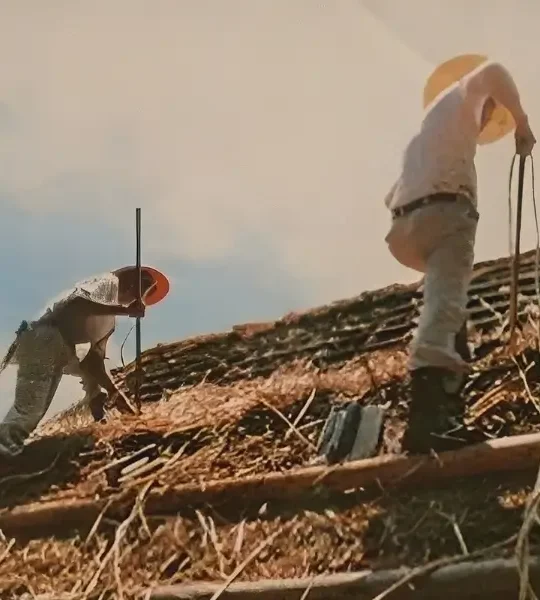
The Essence of a Craftsman The Invisible Dimension of Skill
A craftsman does not simply learn a skill.
At a certain moment, the body begins to move on its own.
This article explores the invisible dimension of craft—where technique, intuition, and something beyond the self meet.
Learn More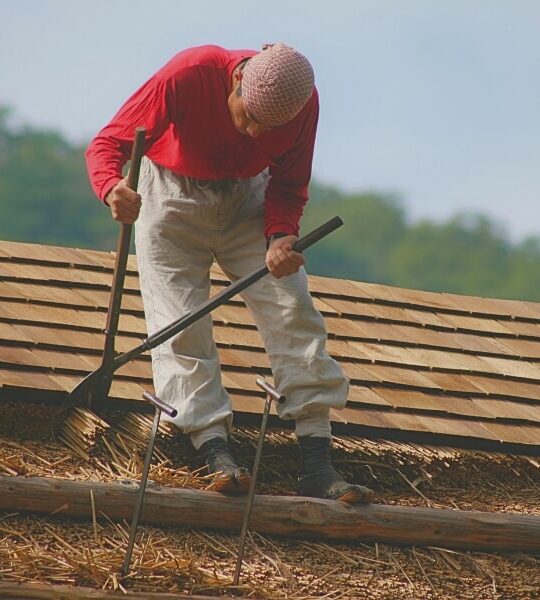
How to Become a Thatcher The Discipline of 10,000 Hours
Becoming a thatcher is not just about learning a skill.
It requires years of discipline, observation, and endurance.
Through apprenticeship, repetition, and struggle, the craft is not taught—but absorbed.
Learn More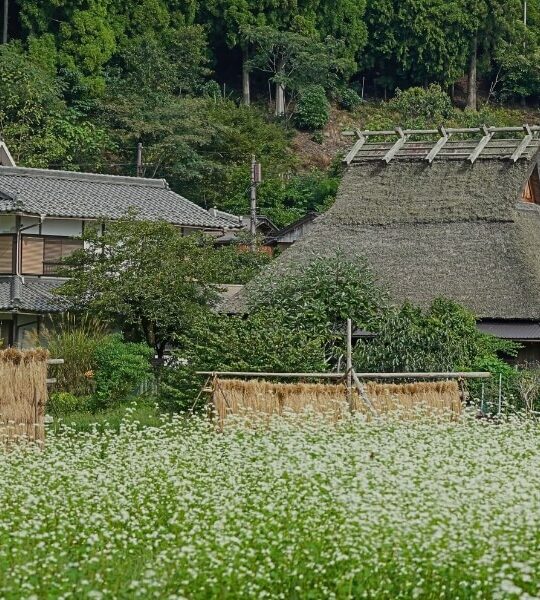
Satoyama The Solar Economy of a Village
Satoyama is not just a landscape, but a living system where people and nature exist together.
This article explores how traditional Japanese villages created value through human labor and solar energy, forming a sustainable way of life beyond modern economic systems.
Learn More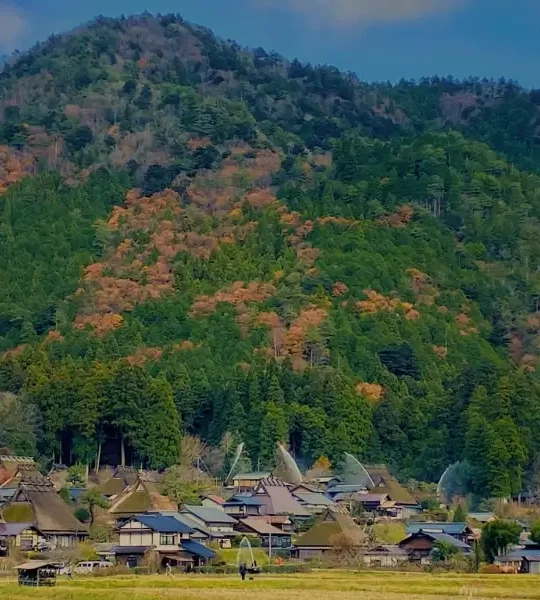
How Long Does a Thatched Roof Last? Sustainability Beyond Cost and Time
A thatched roof is not sustained by materials or cost, but by relationships.
In traditional Japanese villages, roofs lasted not because of durability, but because people maintained the community that sustained them.
Learn More
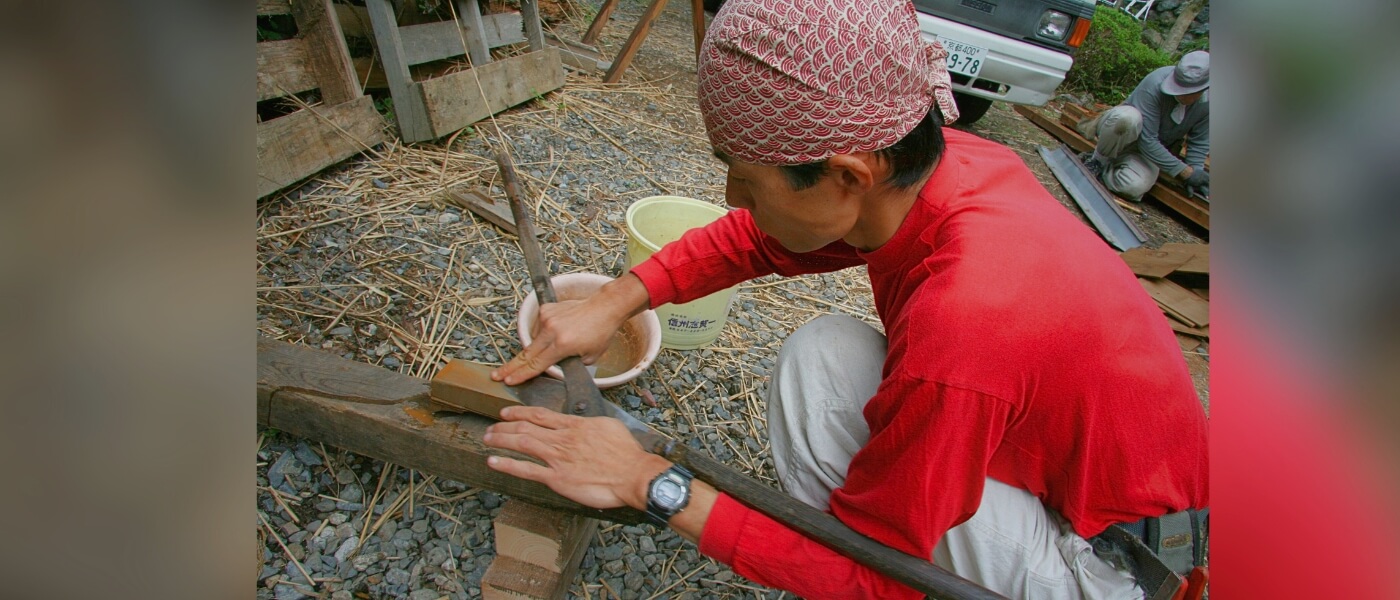
The Reality of Japanese Thatchers: A Disappearing Craft and Its Hidden Truth
The craft of Japanese thatching is disappearing, but the reality behind it is rarely told.
Through personal experience, this article reveals the hidden struggles, cultural history, and deeper meaning of what it truly means to be a thatcher in Japan.
Learn More