Project Info
Project Description
How to Become a Thatcher
Becoming a Thatcher
It is said that it takes 10,000 hours to master a skill.
If you train 8 hours a day, 250 days a year, it takes about five years.
From my experience, I believe this is true.
In the past, my master’s generation entered apprenticeship at the age of fifteen.
This was decided by their parents.
Depending on the trade, they worked for about five years, followed by two additional years called “rei-hoko.”
During that time, they lived with their master and received no salary, but were provided with basic clothing and food.
This system existed across many professions.
You may think this sounds inhumane.
However, I believe it was a remarkable system.
By their early twenties, they were already independent.
It was not school.
They learned how to live within human relationships.
When I became an apprentice, I was twenty-three.
My master said, “you are late.”
At that time, I did not understand.
But later, I realized.
I married at twenty-six.
I needed money.
And that thought never left my mind.
To train in your teens, become independent, and then marry.
I came to agree with this way of life.
Even in apprenticeship, five years was the standard.
But five years is not enough.
It takes ten years to become complete.
If you are to spend your life in one craft, then five years of total dedication is necessary.
And only later do you understand the value of that time.
How Skills Are Passed On
My master told me, “watch and steal.”
He never taught me.
I could only watch, and practice.
It may seem inefficient.
But it is not.
Why do you walk on two legs?
Because you copied others.
Humans recreate what they see.
A craftsman copies the master’s mind.
A master once said, “put it into your belly.”
In Japanese, the belly is where truth lives.
Skills are not learned by the head, but by the whole body.
The gut came before the brain.
This way of thinking may be closer to nature.
An Apprentice Story
I had an apprentice.
He had quit everything before.
I thought he would quit again.
But I gave him a condition.
“You will not quit for five years.”
He could not find guarantors.
He realized he had no trust.
Eventually, he found them.
And he stayed.
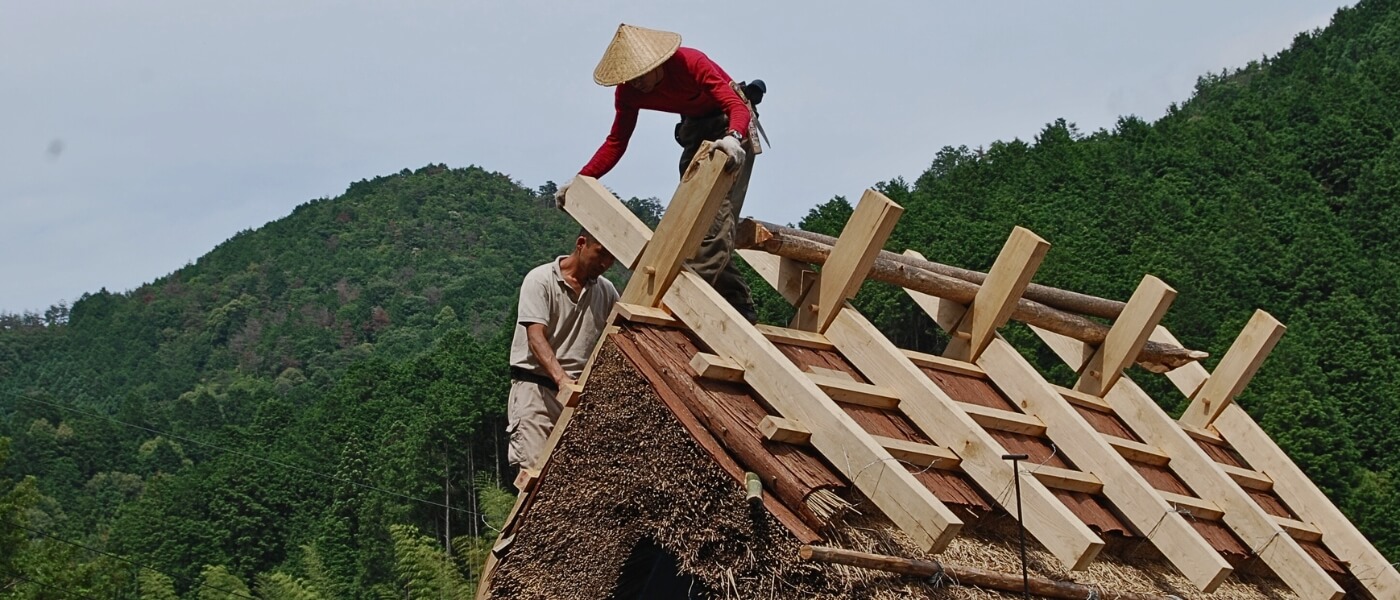
After seven years, he chose to leave.
I told him,
“You can always come back.”
What It Means to Continue
Today, people are free.
But the reason to endure has become weaker.
Becoming a craftsman is like making a bonsai.
You cut, shape, and force it.
There is pain.
But there is also beauty.
My master once cried and wanted to quit.
But he could not.
When I met him, I could not imagine that.
Do Not Become Arrogant
In the third year, you think you understand.
But you do not.
You have only seen a part.
You think you are near the summit.
But you are not.
You must break what you built.
Again and again.
Until only something simple remains.
That is the truth of the craft.
Conclusion
Everyone wants to quit.
But only those who continue understand what it meant.