The Sound of Water Echoing in a Kura | The Suikinkutsu of Miyama FUTON & Breakfast
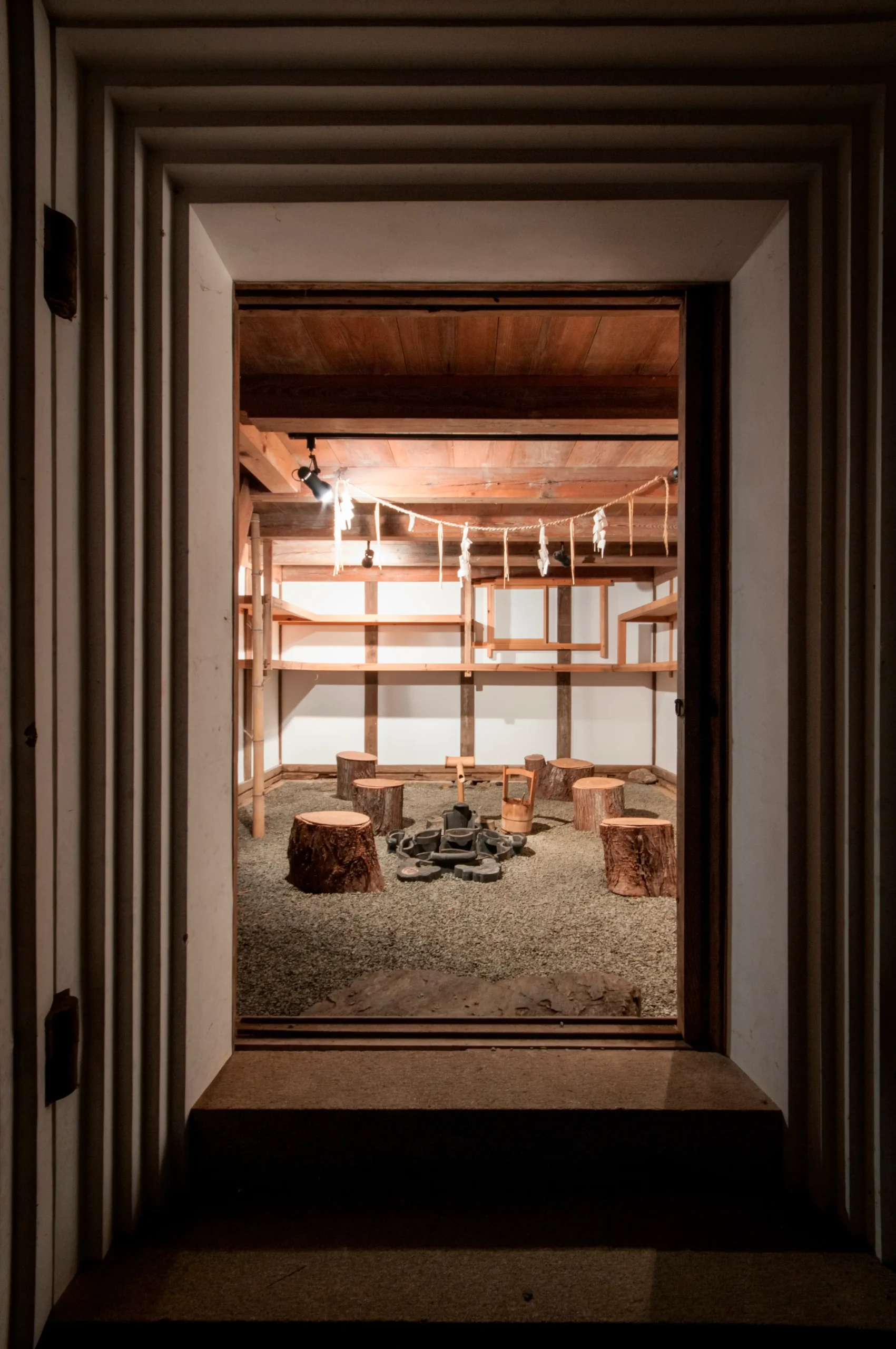
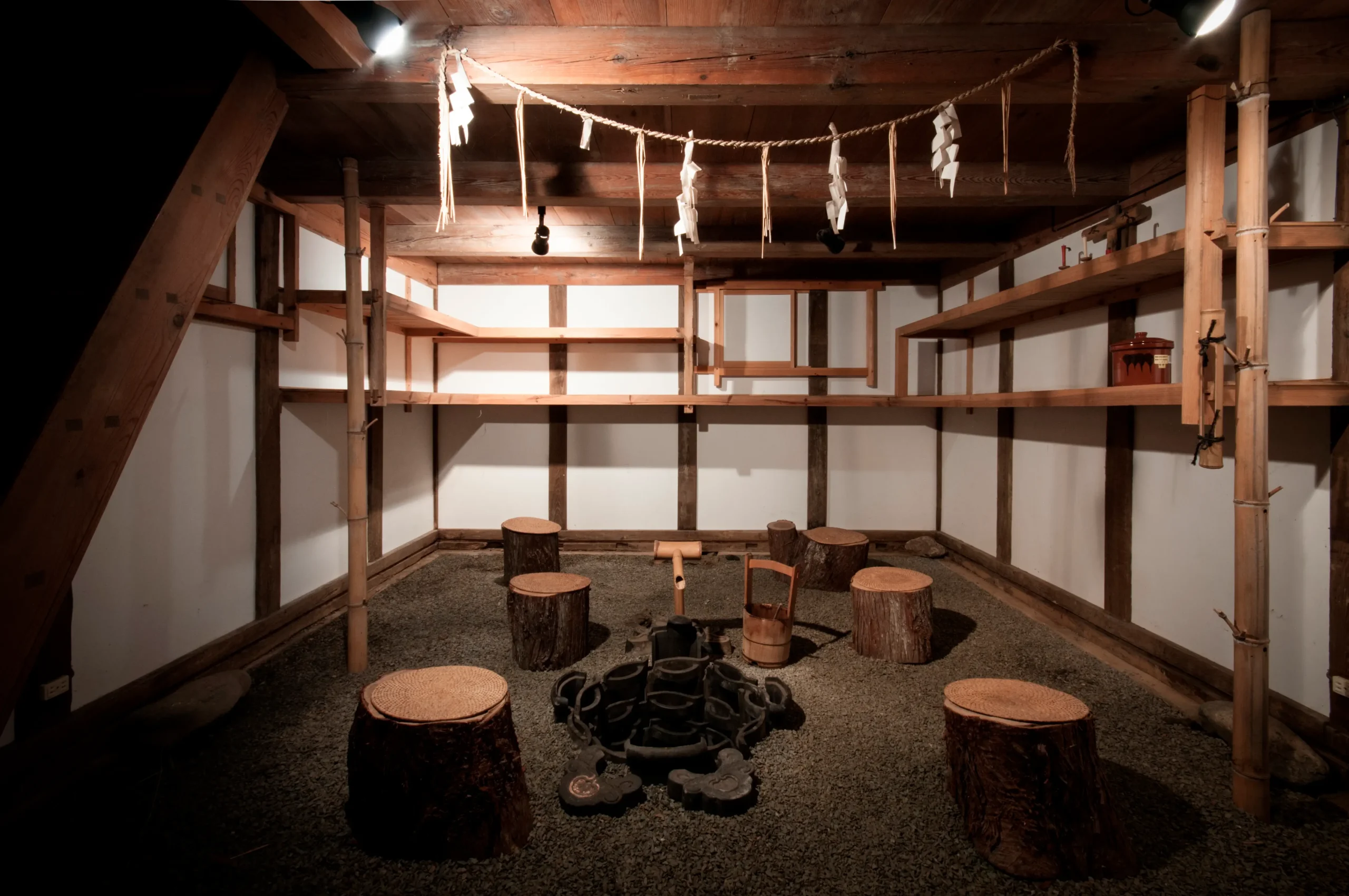
Behind the main house stands a traditional kura with thick clay walls, once used to protect rice and valuables from fire. Inside, a suikinkutsu creates a gentle underground melody as water drops echo within a buried jar, offering a peaceful moment of Japanese tradition and quiet beauty.
Project Info
Client Miyama Heritage Stays
Project Description
Behind the main house of Miyama FUTON & Breakfast, there is a small traditional kura (storehouse).
The walls of a kura are coated with nearly 30 cm of thick clay. In the past, this heavy earthen layer protected valuable belongings and rice from fire, allowing families to safely store their most important assets. In rural communities, the kura has long been considered a symbol of wealth and prosperity, representing the strength and status of a household.
At this property, a unique feature has been created inside the kura: a suikinkutsu.
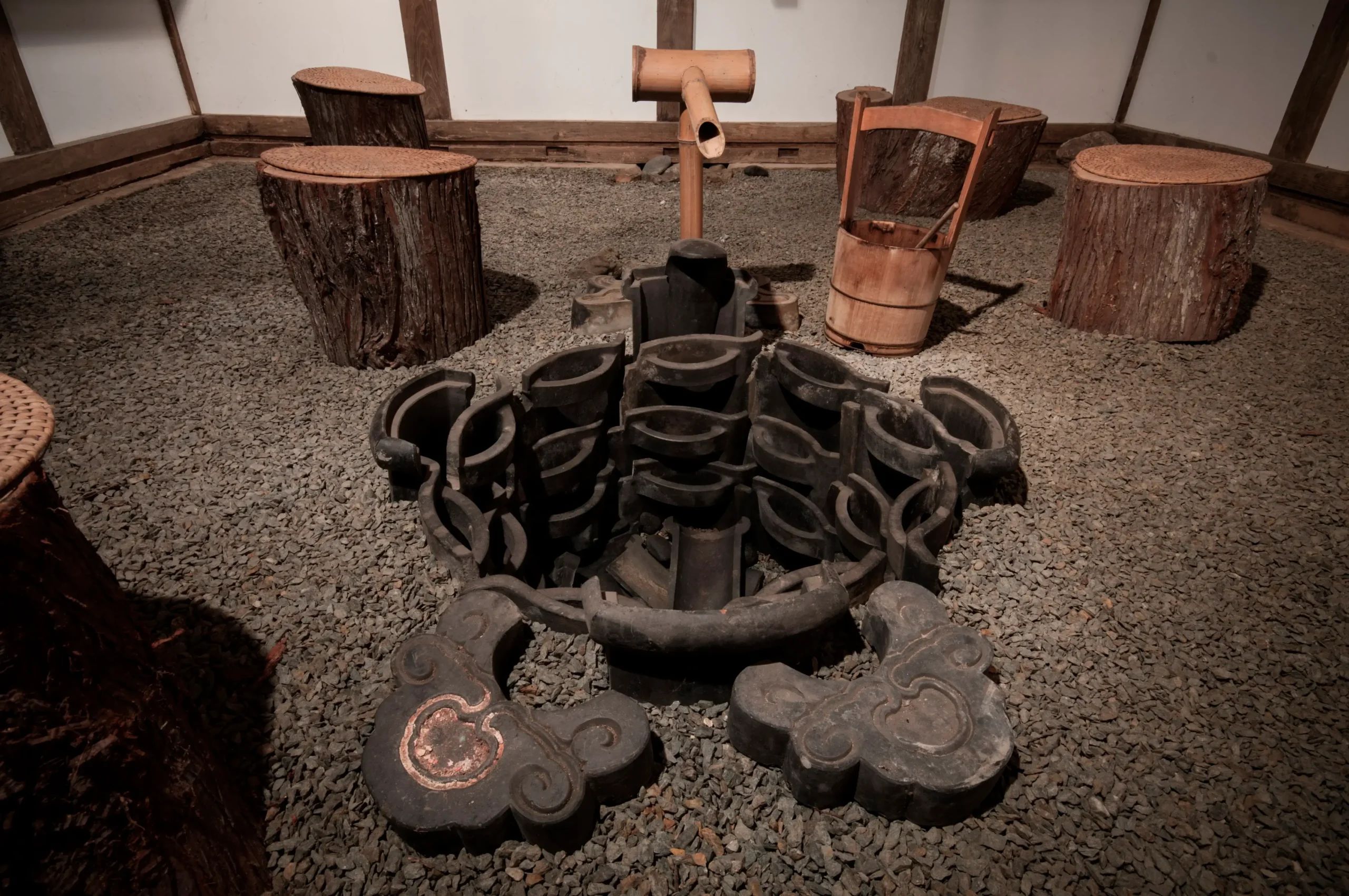
A suikinkutsu is a traditional Japanese sound device designed to enjoy the delicate tones of dripping water. A large ceramic jar is buried upside down underground, and water droplets falling into it create gentle echoes. The sound resonates within the jar like a natural instrument, producing clear tones often compared to the sound of a koto, a traditional Japanese harp.
To listen, you place your ear close to a bamboo tube, allowing the soft underground melody to reach you. The sound is never exactly the same—it changes with each drop, creating a peaceful and almost magical experience.
The main house also has a tea room, and this kura serves as a waiting space when tea ceremonies are held. Guests gather here, calm their minds while listening to the suikinkutsu, and then quietly proceed to the tea room.
Nature, tradition, and Japanese aesthetics come together in this small space.
The sound of water echoing in the kura is something you will never forget.
A thatched house is not just a place to live.
It is a space shaped by nature, tradition, and something unseen.
This article explores the deeper meaning of thatched houses in Japan.
A craftsman does not simply learn a skill.
At a certain moment, the body begins to move on its own.
This article explores the invisible dimension of craft—where technique, intuition, and something beyond the self meet.
Becoming a thatcher is not just about learning a skill.
It requires years of discipline, observation, and endurance.
Through apprenticeship, repetition, and struggle, the craft is not taught—but absorbed.