Project Info
Project Description
Learning Before It Disappears — Across Japan
After four years in the construction industry, I returned to thatching.
But I was no longer the same young apprentice who had once climbed onto the roof with uncertainty. I had seen another world. I had understood instability, collapse, and recovery.
And I had gained something equally important: perspective.
I realized that if I did not actively learn from the older craftsmen across Japan, their knowledge might vanish within a generation.
Many of them were already elderly. Some had no successors. Regional techniques—shaped over centuries by climate, wind, and local materials—were quietly fading.
Thatching was not one unified tradition.
It was many traditions.
So I began traveling across Japan.
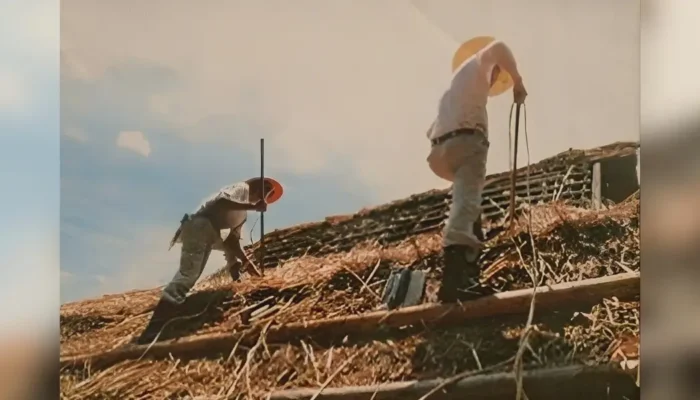
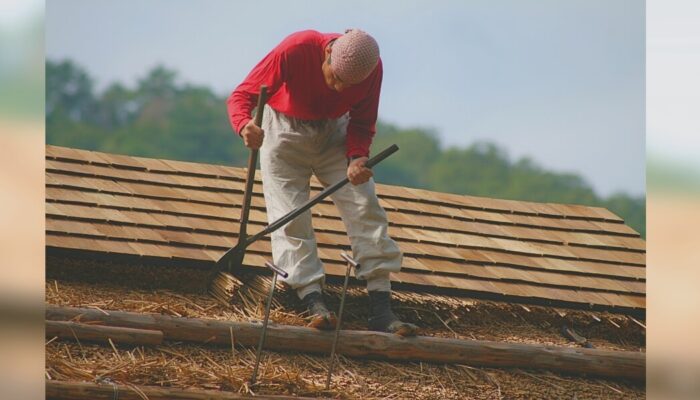
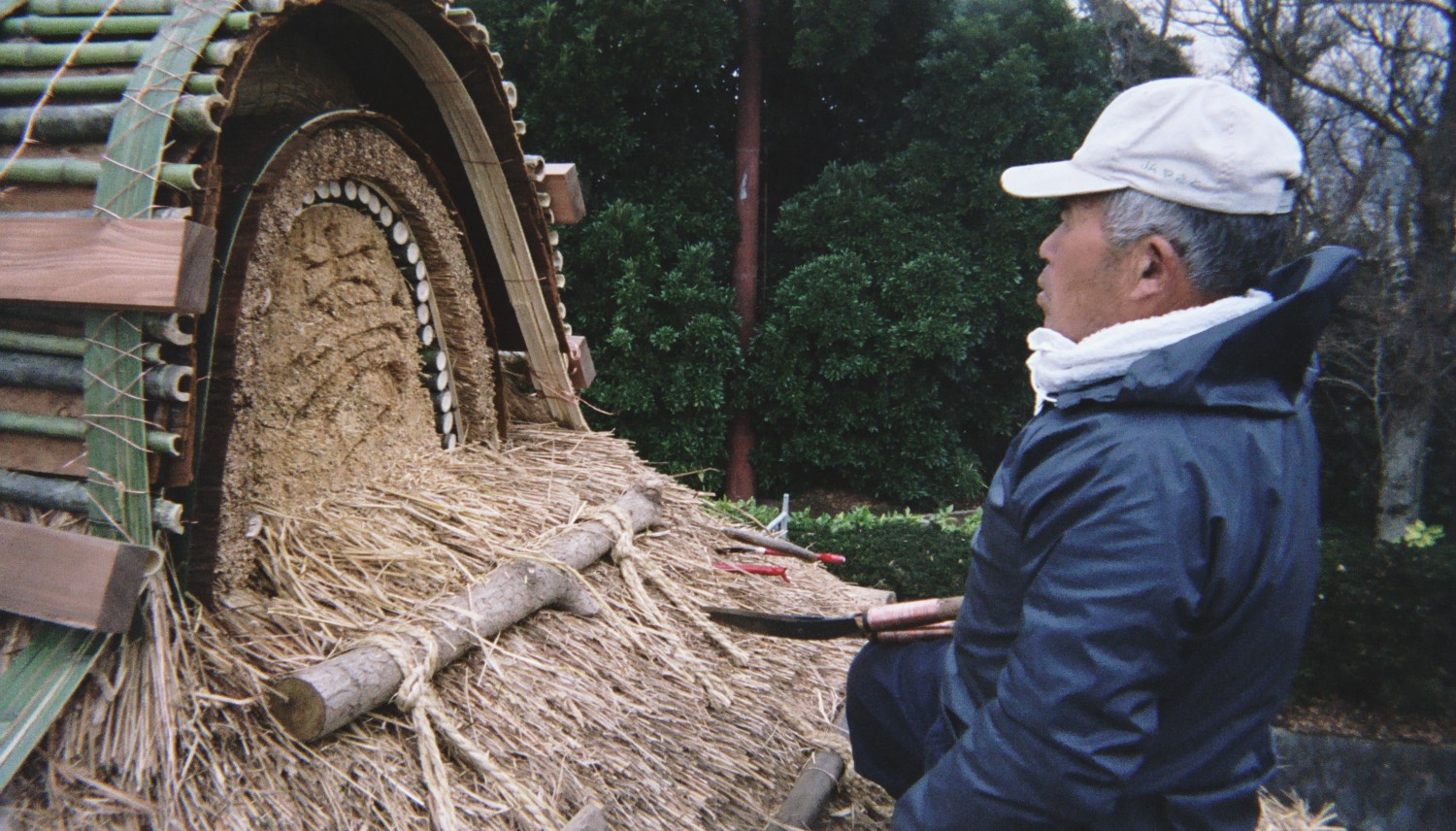
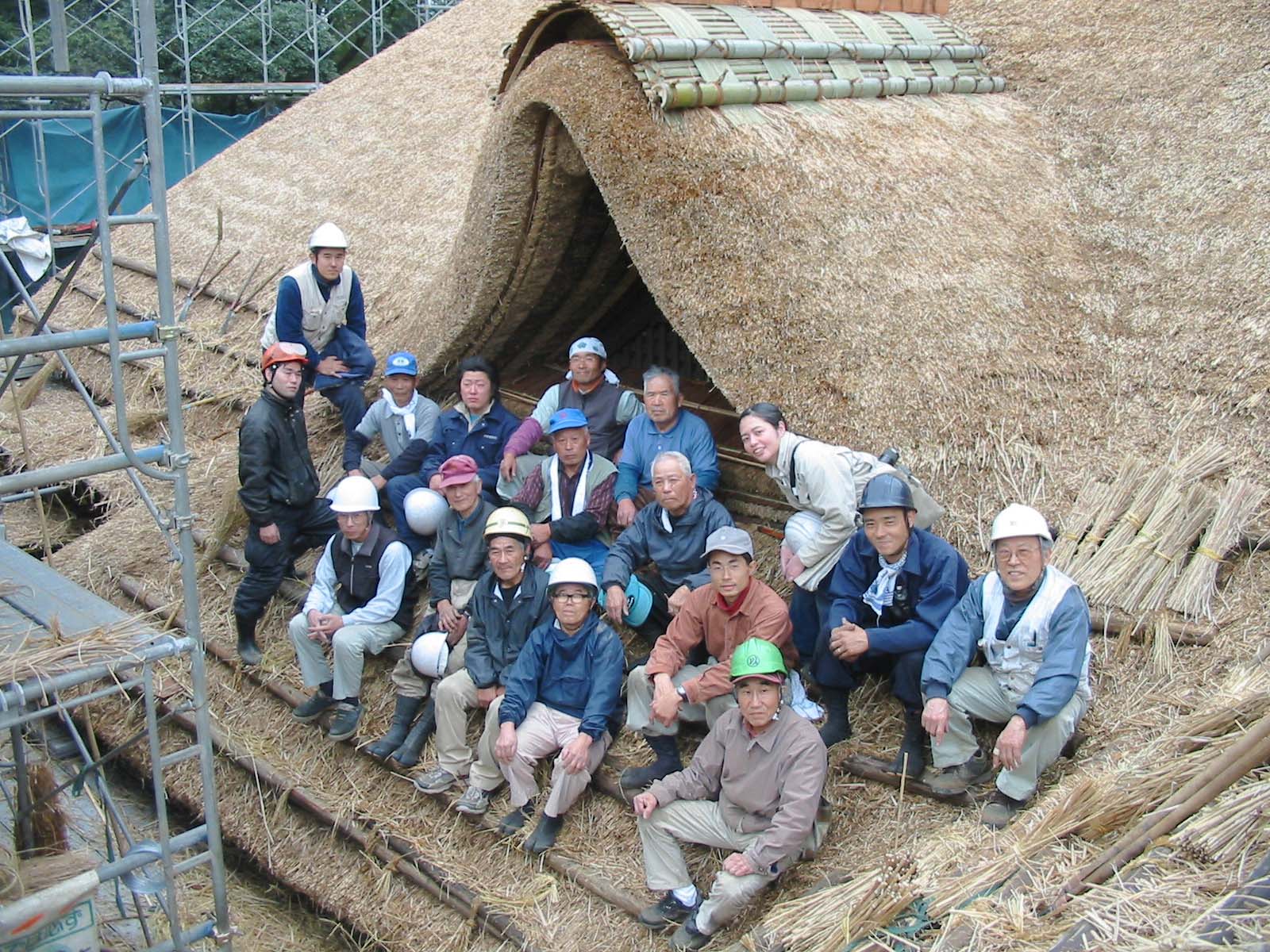
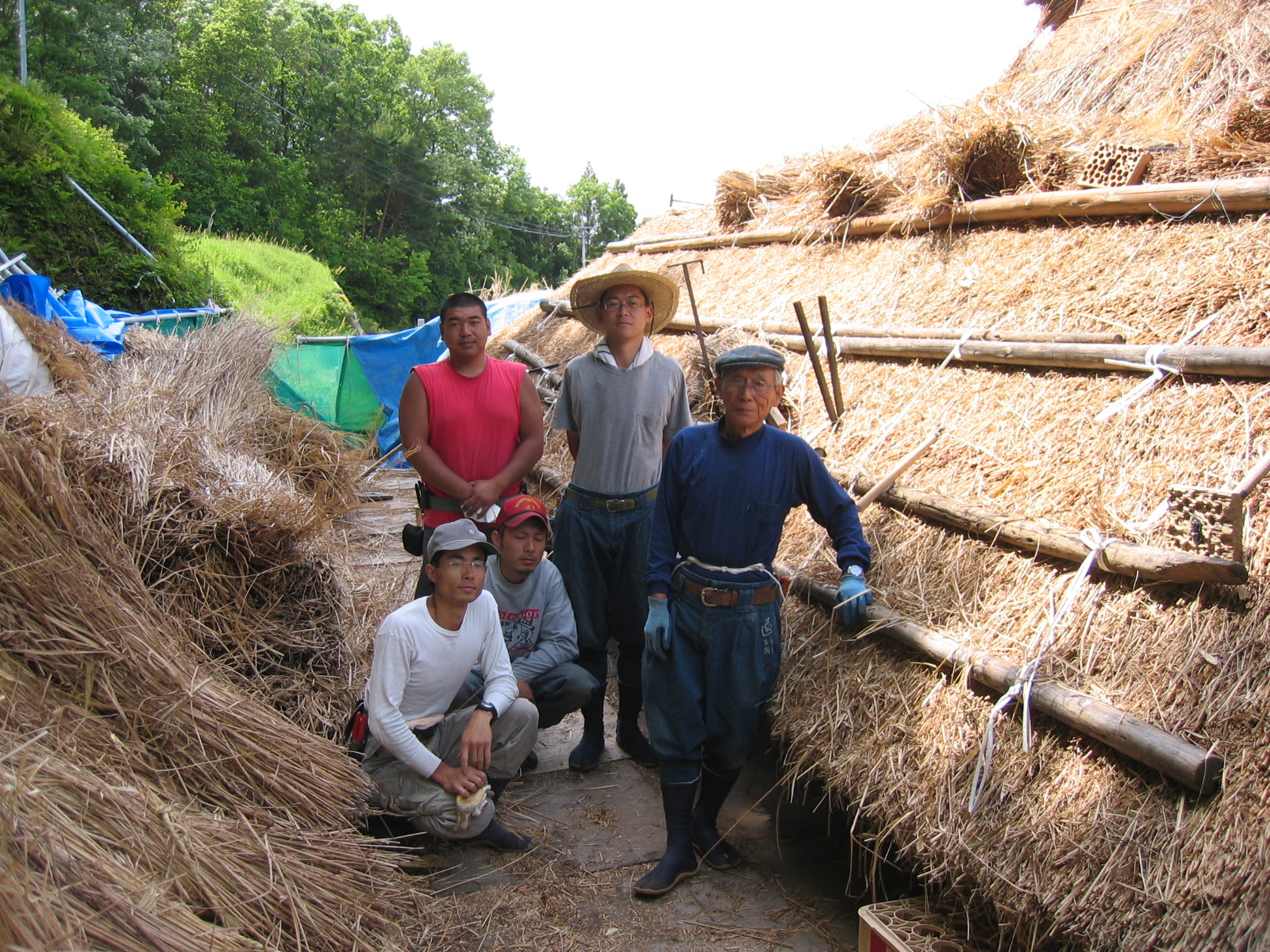
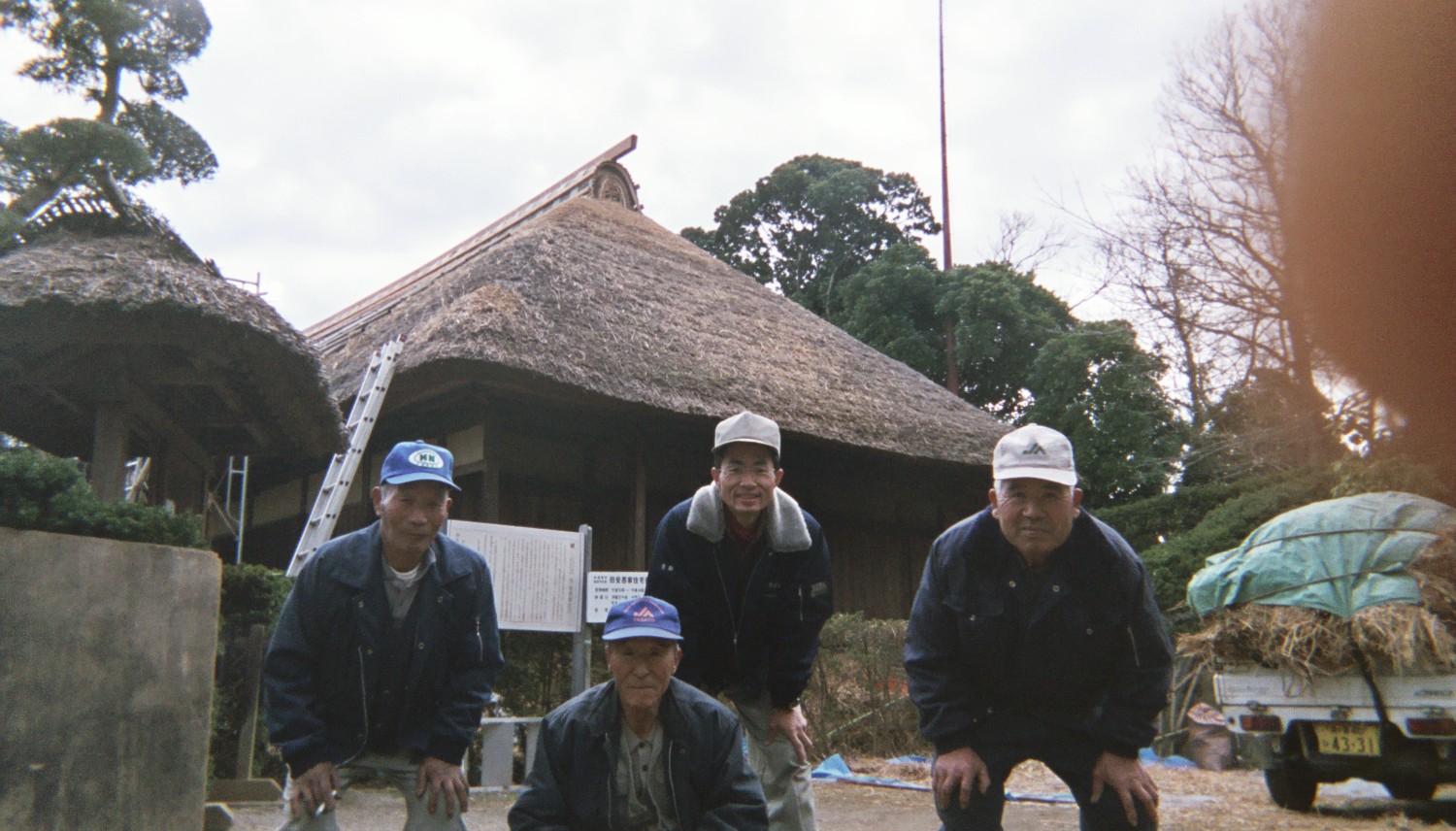
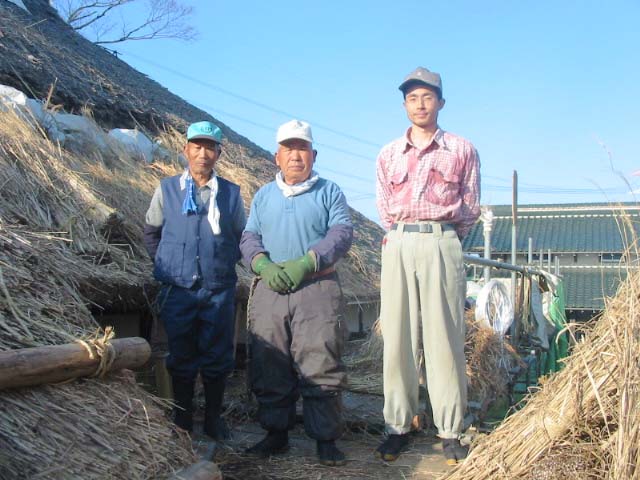
During winter, instead of selling roasted sweet potatoes as I once had, I went to regions with little snowfall—Okayama, Ibaraki, and others. I joined local teams, observed their methods, and absorbed their techniques.
Each region had its own rhythm.
The angle of the roof ridge.
The way reeds were bundled.
How rain was guided away.
How wind was anticipated.
Through thatch, I was learning geography.
Through roofs, I was learning culture.
I understood something deeply:
This was not merely construction.
It was accumulated human adaptation.
If even one regional technique disappeared, an invisible layer of cultural memory would disappear with it.
I did not want to stand by and watch that happen.
I wanted to become someone who could carry the knowledge forward.